When Motivation Is Missing
Do you know this? You know that a short walk or a call to a friend would do you good – and still you stay in bed. You wait for the urge to come back. But it doesn’t.
This isn’t laziness. Low mood, exhaustion and stress dampen your drive – that’s part of them. The good news: there is a way that doesn’t wait for motivation. It’s called behavioral activation and is a well-researched part of cognitive behavioral therapy (CBT).
The withdrawal cycle
When we feel bad, we often withdraw. That’s understandable – but it can pull your mood down even further:
- 1
Mood drops – You feel tired, empty or low.
- 2
Doing less – You cancel plans, let things slide, stay in bed.
- 3
Less of the good stuff – There are fewer pleasant moments and fewer small successes – and more time for brooding.
- 4
Mood drops further – And it gets even harder to get started.
↺ … and so on.
The way out doesn’t start in your head, but with doing: a small step that brings something good back into your day.
Act first, motivation follows
We usually think: first I need to feel like it, then I’ll start. With low mood it often works the other way round: a small step comes first – and the motivation sometimes follows, at least a little.
In the 1970s, the psychologist Peter Lewinsohn described how withdrawal and a lack of pleasant experiences can keep depression going. This gave rise to behavioral activation: instead of waiting to feel better, you deliberately plan activities that do you good or give you a sense of meaning.
How to go about it
- 1
Observe – For a few days, write down what you do and how your mood is (0–10). Don’t change anything yet. You’ll often notice that some things lift your mood a little and others weigh it down.
- 2
Pleasure and achievement – Two kinds of activities do you good: ones that are enjoyable (pleasure) and ones where you get something done (achievement). Both count – plan some of each.
- 3
Choose by your values – What matters to you, for example closeness, health or creativity? Activities that fit your values carry you further than mere distraction.
- 4
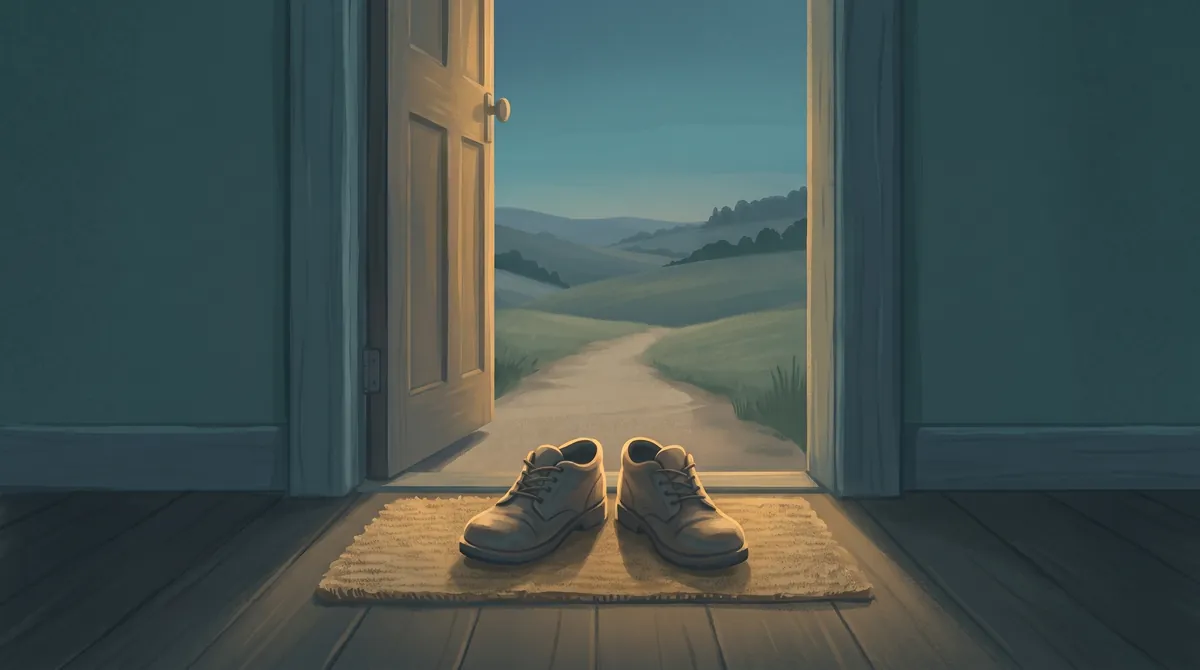
Start small – So small it seems almost too easy: putting on your shoes instead of going for a run, washing one cup instead of tidying the whole kitchen. A small step you actually take achieves more than a big one you only plan.
- 5
Schedule it – Decide when and where: “Tomorrow at 10 a.m. I’ll walk around the block for ten minutes.” Then the plan counts, not how you feel in the moment.
Ideas for small steps
Pick what suits you – and rather make it smaller than bigger.
Pleasure
- listen to a favorite song
- five minutes at the window or on the balcony in the sun
- drink a tea or coffee slowly
- send a short message to someone you like
- read a few pages of a book
Achievement
- make your bed
- shower and put on fresh clothes
- answer one single message or email
- tidy up for five minutes (set a timer)
- cook a small meal
When it stays hard
Note your mood afterwards
After an activity it is often a little better than expected. Sometimes it stays the same – that isn’t failure either. The effect often only shows after a few repetitions.
Didn’t manage it?
That’s not evidence against you, just a hint: the step was probably too big. Make it smaller and try again.
Watch out for brooding
Staying in bed and thinking things over feels like rest, but it often keeps the cycle going.
Stay kind to yourself
On very hard days a tiny step is enough – or a real break. It isn’t about performance, but about reconnecting with what does you good.
Good to know
- Tiredness can also have physical causes. For example lack of sleep, iron deficiency, a thyroid disorder or side effects of medication. If you feel exhausted for a long time, have it checked by a doctor.
- Getting help is a good step. If low mood, joylessness or a lack of drive last longer than two weeks, talk to your doctor or look for psychotherapy. Depression is common, and effective treatments exist.
- An article is no substitute for therapy. If you are in an acute crisis or thinking about death: crisis lines in your country.
Your first small step
Take a few minutes for these questions. There are no wrong answers.
1. What used to do me good
Which activities used to bring me joy or satisfaction?
2. My mini version
What tiny version of it could I try in the next two days?
3. When exactly?
On which day, at what time, where? And what will I do if I don’t feel like it? (e.g. “Then I’ll just do five minutes.”)
Habits & Tracking
Monitor your habits, moods, and routines in everyday life.